
What is a CME Program?
Medicine is a constantly evolving science. New drugs, technologies, and clinical guidelines are introduced every year, making it essential for healthcare professionals to stay updated beyond their formal education. This is where a CME program, or Continuing Medical Education, plays a vital role.
A CME program is a structured educational activity designed for physicians, surgeons, nurses, and other healthcare providers to maintain competence, enhance knowledge, and improve clinical practices throughout their careers. By participating in CME activities, healthcare professionals ensure that their patients receive the most effective, evidence-based, and up-to-date medical care available.
Purpose of CME Programs
The primary goal of a CME program is to encourage lifelong learning. Medical school and residency provide the foundation for a career in healthcare, but they cannot cover the ongoing innovations that shape modern medicine. Through CME, doctors can:
Stay current with new drugs, devices, and therapies.
Improve diagnostic accuracy and treatment planning.
Adapt to new technologies such as artificial intelligence, telemedicine, and robotic surgery.
Maintain their medical license, as many regulatory authorities require CME credits for renewal.
Network with peers and exchange real-world clinical experiences.
Ultimately, CME programs benefit both professionals and patients, ensuring high standards of safety and quality in healthcare delivery.
Formats of CME Programs
CME programs are flexible and come in multiple formats to meet the needs of busy professionals. Common forms include:
Conferences and Seminars – Large gatherings where international experts present the latest medical research and trends.
Workshops and Hands-On Training – Practical sessions allowing participants to develop or refine surgical and clinical skills.
Online CME and Webinars – Digital platforms offering flexible, self-paced learning accessible worldwide.
Panel Discussions and Case Studies – Interactive sessions that focus on problem-solving through real-world patient cases.
Simulation-Based Training – Use of VR and AR technologies to replicate surgical procedures in a controlled learning environment.
At the end of these activities, participants typically earn CME credits or hours, which may be required by national or state medical councils for professional practice.
Importance of CME in Eye Care
Eye care and ophthalmology are specialties that have seen rapid advancements in recent decades, making CME programs particularly critical for ophthalmologists. Some areas frequently covered in CME programs for eye care include:
Cataract Surgery Innovations – From traditional techniques to femtosecond laser-assisted cataract surgery and premium intraocular lenses (IOLs).
LASIK and Refractive Surgery – Updates on bladeless LASIK, SMILE, and other cutting-edge refractive procedures.
Glaucoma Management – Minimally Invasive Glaucoma Surgery (MIGS), new pharmaceutical treatments, and advanced monitoring devices.
Retinal Disorders – Latest drug delivery systems for diabetic retinopathy and age-related macular degeneration (AMD), as well as breakthroughs in gene and stem cell therapy.
Corneal Transplants – Lamellar keratoplasty and bioengineered corneas.
Artificial Intelligence in Ophthalmology – AI tools that detect diabetic retinopathy, glaucoma, and AMD from retinal images with high accuracy.
Teleophthalmology – Expanding access to patients in rural and underserved areas through digital platforms.
By engaging in CME activities, ophthalmologists and optometrists ensure that patients benefit from advanced technologies, safer surgeries, and more accurate diagnoses.
Benefits of CME Programs
For Professionals:
Continuous growth in knowledge and clinical expertise.
Career development and recognition within the medical community.
Fulfillment of legal and certification requirements.
For Patients:
Access to the latest diagnostic and treatment methods.
Improved safety, effectiveness, and quality of care.
Increased trust in their healthcare providers.
For Healthcare Systems:
Standardized practices across hospitals and clinics.
Better patient outcomes with fewer complications.
Efficient use of resources through evidence-based medicine.
CME as a Commitment to Excellence
A CME program is more than a regulatory requirement—it is a reflection of a physician’s commitment to excellence and dedication to patient care. By continuously updating their knowledge, healthcare professionals can adapt to changes in medicine, adopt new technologies, and offer treatments that were once unimaginable.
In ophthalmology and other specialties, CME ensures that doctors remain at the forefront of medical science, ready to provide innovative solutions that improve quality of life. As medicine continues to advance, CME programs will remain the bridge connecting scientific discovery to clinical practice, empowering healthcare providers and protecting patient well-being.
Conclusion
A CME program is a cornerstone of modern healthcare, fostering continuous learning, professional growth, and improved patient outcomes. In fast-evolving fields like eye care, where new treatments and technologies emerge every year, CME ensures that doctors are well-prepared to meet future challenges. It is not just about earning credits—it is about embracing lifelong learning, staying updated, and delivering the best possible care to every patient.
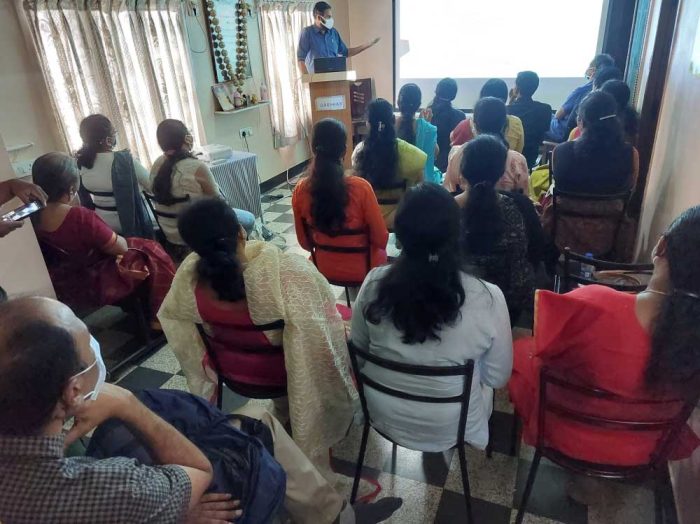
Continuing Medical Education was one of the Objectives of Darshan when it was started. Dr Srinivas K Rao is a sought after speaker and teacher and he conducts CME programs at Darshan – both from before and after the Covid induced break in activities. Darshan invites 25 ophthalmologist to these Breakfast sessions, which are held once in 2 months, on a Sunday, between 8.30 and 11.30 AM.
In these small group meetings, topics of interest to the General Ophthalmologist are discussed with ample opportunity for the attendees to interact with the Speakers. Dr Sanjeev P Srinivas has also been lecturing at these meetings from June 2021. Thus far, 15 such meetings have been conducted at Darshan, details below and ophthalmologists interested in attending subsequent meetings, may kindly email to – srinikrao@gmail.com.
Dr Srinivas K Rao is also the mentor of an Online teaching platform called Catalyst, and along with a Team of 3 others, hosts Webinar based teaching sessions. These are held once in 3 months, and for 2 hours each between 6.30 and 8.30 PM on Saturday and Sunday. These sessions include International Faculty and the audience is also from both within and outside India.
The sessions usually attract an audience of about 1000 each time. Thus far, 7 such meetings have been conducted at Darshan, details below and ophthalmologists interested in attending subsequent meetings, may kindly email to – srinikrao@gmail.com
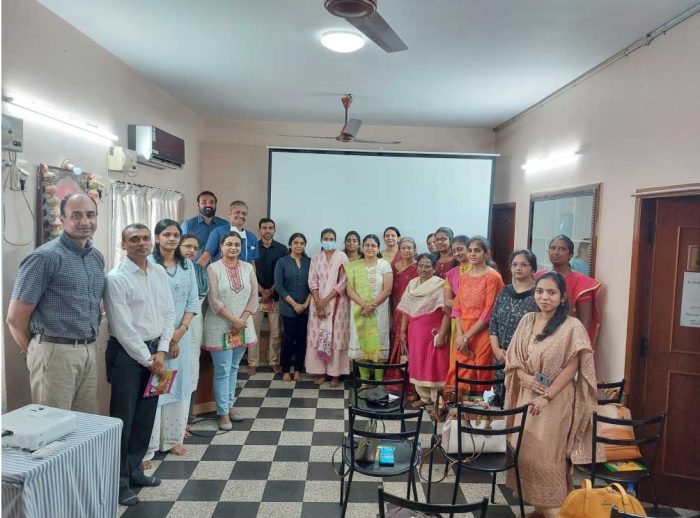
Continuing Medical Education was one of the Objectives of Darshan when it was started. Dr Srinivas K Rao is a sought after speaker and teacher and he conducts CME programs at Darshan – both from before and after the Covid induced break in activities. Darshan invites 25 ophthalmologist to these Breakfast sessions, which are held once in 2 months, on a Sunday, between 8.30 and 11.30 AM.
In these small group meetings, topics of interest to the General Ophthalmologist are discussed with ample opportunity for the attendees to interact with the Speakers. Dr Sanjeev P Srinivas has also been lecturing at these meetings from June 2021. Thus far, 15 such meetings have been conducted at Darshan, details below and ophthalmologists interested in attending subsequent meetings, may kindly email to – srinikrao@gmail.com.
Dr Srinivas K Rao is also the mentor of an Online teaching platform called Catalyst, and along with a Team of 3 others, hosts Webinar based teaching sessions. These are held once in 3 months, and for 2 hours each between 6.30 and 8.30 PM on Saturday and Sunday. These sessions include International Faculty and the audience is also from both within and outside India.
The sessions usually attract an audience of about 1000 each time. Thus far, 7 such meetings have been conducted at Darshan, details below and ophthalmologists interested in attending subsequent meetings, may kindly email to – srinikrao@gmail.com