lady

Bilateral Corneal Opacity in a 36-Year-Old lady

0 Comments

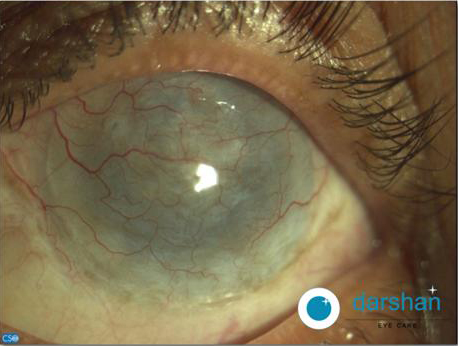
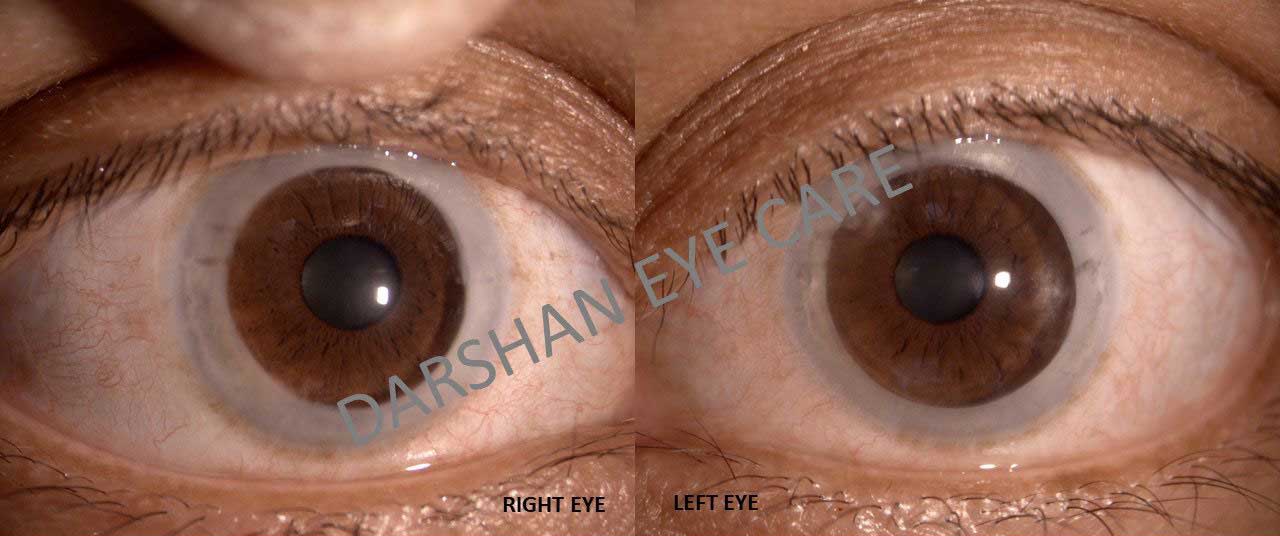
  Surgical Corner   36 year-old-Lady had Bilateral Corneal 36 year-old-woman had bilateral corneal full-thickness opacification since childhood with poor vision, light intolerance and constant watering in both eyes. She suffers from chronic myeloid leukemia, which is under remission with treatment.Appearance of both eyes, 5 years after penetrating keratoplasty with good vision and no ocular discomfort Darshan Google Reviews
Small Incision Cataract Surgery (SICS)

0 Comments

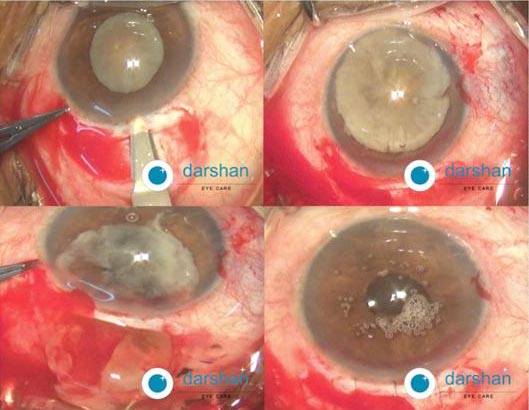
Surgical Corner Small Incision Cataract Surgery (SICS) SICS or manual small incision cataract surgery is a procedure reserved for ultra dense or difficult cataracts in which phacoemulsification is not possible. Though performed very rarely, it is a very useful tool in a cataract surgeon’s armamentarium, as it is atraumatic and endothelial safe. The recovery following surgery is relatively hassle free and the procedure has an excellent track safety record, with billions of the same, being performed world wide.

Descemet Membrane Endothelial Keratoplasty (DMEK)

0 Comments

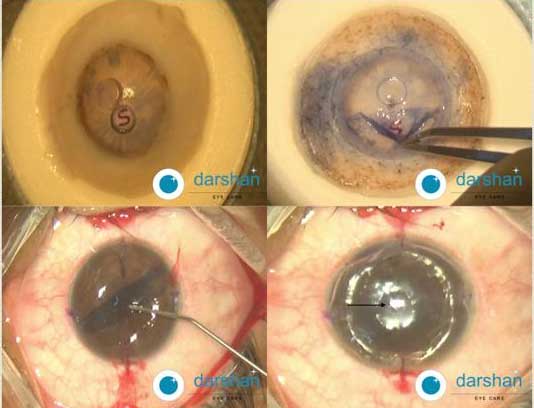
  Surgical Corner   Descemet Membrane Endothelial Keratoplasty (DMEK) Descemet Membrane Endothelial Keratoplasty (DMEK) is the final frontier in lamellar corneal surgery. It involves replacing the delicate 14 micron thick layer of cells of the inner cornea, referred to as endothelium, which are layered onto an acellular descemet membrane. The surgery involves peeling and preparing a donor graft containing healthy cells and injecting into the anterior chamber of the diseased eye. The graft is then secured in place using an air bubble, thereby making it a sutureless transplant. The surgery allows for rapid post operative recovery and avoids the risk of suture related complications. DMEK is routinely performed here at Darshan Eye Care. Get in touch to learn more……..

Conjunctival Hooding

0 Comments

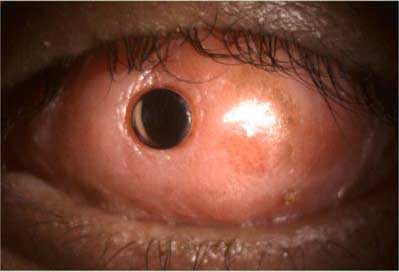
  Surgical Corner   Conjunctival Hooding Conjunctival hood/gunderson’s flap is a technique which is used in the treatment of painful blind eyes. The technique utilises the conjunctival tissue (which is available in abundance), as a blanket over the exposed corneal nerve fibres, thereby inhibiting the pain response. The procedure, if performed well, offers consistent and long term pain relief with acceptable cosmesis, without the need for any further touch ups or adjuvants. Patients wishing for perfect cosmesis can very safely fit an acrylic shell over the flap, without having to worry about the risk of irritation, inflammation or infection.

Modified Osteo Odonto Keratoprosthesis (MOOKP) – A Tooth For An Eye

0 Comments

Surgical Corner Modified Osteo Odonto Keratoprosthesis (MOOKP) – A Tooth For An Eye MOOKP is a pathbreaking procedure used in the treatment of end stage ocular surface diseases such as steven johnson syndrome/ocular cicatricial pemphigoid. the procedure is a godsent, for patients who have no hope of recovering vision due to advanced surface changes. it involves fashioning a lamina using the patient’s tooth, into which an optical cylinder is placed and grafted onto the eye, under a mucous membrane graft. the procedure itself is technically,very demanding, and is performed over two stages, 4-6 months apart. dr srinivas k rao has the distinction of having performed the first mookp procedure in india under the guidance of prof. falcinelli and to this day, continues to passionately perform the same at darshan eye care.

Band Shaped Keratopathy

0 Comments

Surgical Corner Band Shaped Keratopathy Eyes having undergone multiple surgeries or blind eyes may develop deposition of calcium on the corneal surface. This intern results in chronic irritation, watering and photophobia. It also increases the risk o developing a corneal infection. A simple and effective technique for removal is by the use of a chemical compound called EDTA (Ethylenediaminetetraacetic acid), which when applied on the corneal surface for about 30-60 secs, chelates and removes the calcium deposits. This inturn helps reduce symptoms and is may also help benefit patients in gaining usable vision in the treated eye (if the eye has visual potential). The procedure is simple and cost effective and provides consistent results when done properly.

Corneal Infections

0 Comments

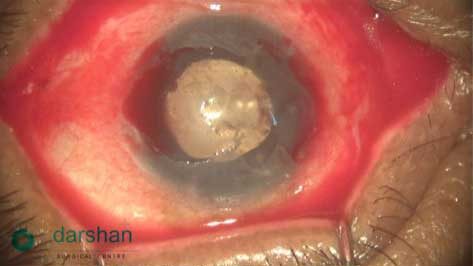
Surgical Corner Corneal Infections Corneal infections/ infectious keratitis occurs when microorganisms manage to penetrate the outer layers of the cornea, compromising the integrity of the eye. This can result in endophthalmitis, painful blind eye or even loss of eye structure. Surgical management of corneal infections can be done by either injecting antibiotics into the cornea or by replacing the infected tissue with a healthy donor. When done well, vision can be successfully restored in these eyes. Darshan eye care has had a great track record in the treatment of infectious keratitis with many success stories, as evidenced in the above image.

Recurrent Cornealerosion Syndrome (RCES)

0 Comments

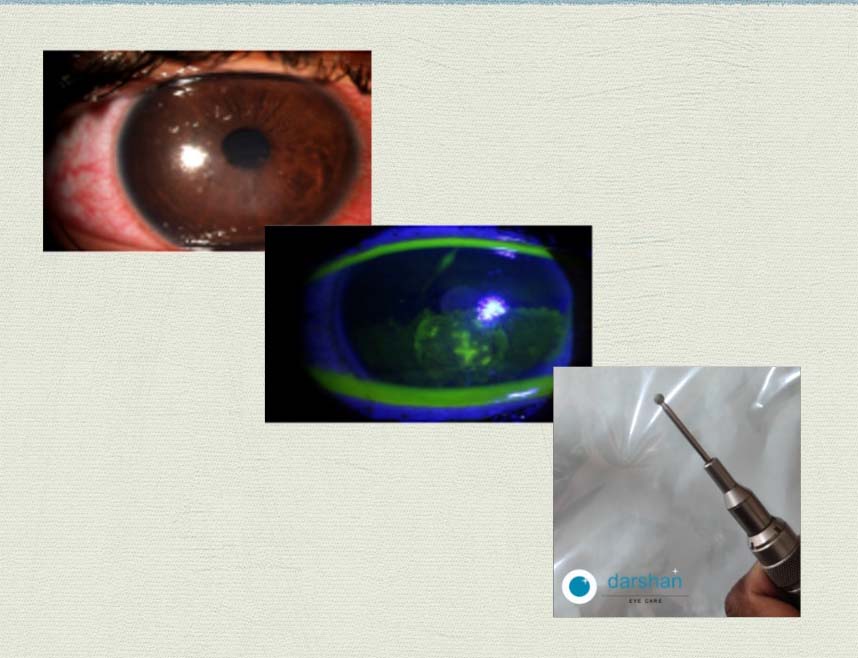
Surgical Corner Recurrent Cornealerosion Syndrome (RCES) RCES is a common condition affecting all age groups. It is usually predisposed by minor trivial trauma which may destabilise corneal epithelial adhesion, in turn resulting in a weak spot on the corneal surface which is prone to break down and infection. Patients typically present with pain in the early morning, along with watering and aversion to bright light. The condition, if detected early, can be easily managed by a simple 5 minute procedure which involves polishing the cornea using a diamond coated burr mounted on a precise micro drill followed by application of a bandage contact lens. Darshan eye care offers this procedure on an out patient basis, allowing for quick and hassle free recovery.

Sutureless Retinal Surgery

0 Comments

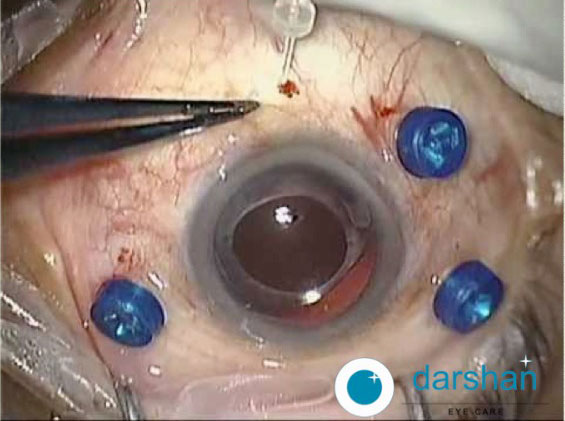
Surgical Corner Sutureless Retinal Surgery Darshan Eye Care offers primary 23G sutureless retinal surgery. These procedures are routinely performed for Diabetic retinopathy, retinal detachments, epiretinal membranes, complicated cataract surgeries and endophthalmitis (infection of the entire eye). Our retinal team at Darshan is well versed with these procedures and is committed to providing fast and safe recovery for patients undergoing the same.

Anti Hypertensive Medications for the Treatment of Corneal Scarring

0 Comments

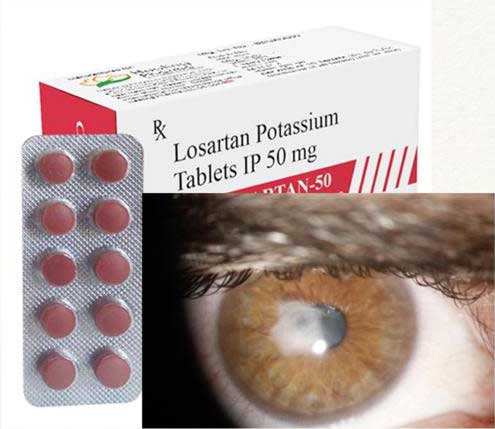
Surgical Corner Anti Hypertensive Medications for the Treatment of Corneal Scarring Corneal scars can develop due to infections, trauma or can be due to certain inherited disorders. Traditionally treatment of corneal scars has always been surgical. However, recently published studies have shown that the anti hypertensive drug – LOSARTAN has the ability to reduce corneal scar formation by inhibiting corneal stromal fibrosis. Although in its incipient phase, it seems to show great promise in treating scars, irrespective of the duration and density, thereby making it a very promising approach in the treatment of corneal scars. Patient selection is however crucial and hence a comprehensive ophthalmic exam by a corneal surgeon is mandated before undertaking treatment.