Clinical challenges in eye care remain one of the most important topics in modern ophthalmology, affecting diagnosis, treatment, and long-term patient outcomes. Despite rapid advances in technology, surgical procedures, and drug development, many challenges in ophthalmology persist, ranging from delayed disease detection to barriers in patient adherence and access to quality services.
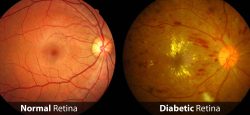
One of the most significant clinical challenges in eye care is early diagnosis of ocular diseases. Conditions such as glaucoma, diabetic retinopathy, and age-related macular degeneration (AMD) often progress silently until vision loss becomes irreversible. Glaucoma, often called the “silent thief of sight,” can remain undetected for years without comprehensive screening. Similarly, diabetic retinopathy develops gradually, with patients often unaware of damage until advanced stages. Limited access to diagnostic tools such as optical coherence tomography (OCT) and visual field testing in low-resource regions makes early detection one of the greatest challenges in eye care delivery.
Another pressing ophthalmology clinical challenge is patient adherence to treatment. Chronic eye diseases, such as glaucoma, require strict, lifelong use of medications like eye drops. Unfortunately, many patients struggle with adherence due to side effects, forgetfulness, or financial limitations. Poor compliance leads to disease progression and irreversible blindness. Addressing this challenge in eye care management requires improved patient education, simplified treatment regimens, and innovative drug delivery methods such as sustained-release implants.
Surgical challenges in ophthalmology also play a major role. Cataract surgery, though one of the most common and effective procedures worldwide, remains inaccessible to millions due to cost, shortage of skilled surgeons, and inadequate infrastructure. Even when surgery is performed, complications like postoperative infection or posterior capsule opacification may occur. In corneal transplantation, issues such as tissue rejection and donor shortages persist. Similarly, retinal surgery and advanced laser treatments demand high surgical expertise and advanced technology, which are not equally available across regions.
Beyond surgical barriers, systemic diseases with ocular manifestations create further clinical challenges in ophthalmology. Diabetes, hypertension, and autoimmune disorders significantly affect eye health. The global rise of myopia, especially among children, has created new public health challenges in eye care, as high myopia increases the risk of retinal detachment, glaucoma, and macular degeneration. Managing these conditions requires both clinical treatment and preventive strategies.
Another emerging issue is the integration of technology in eye care. Artificial intelligence (AI) and teleophthalmology have shown promise in screening for diabetic retinopathy, AMD, and glaucoma. However, their adoption faces challenges including regulatory approval, data privacy, cost, and integration into existing healthcare systems. Without careful planning, technological advances risk widening the gap between high-income and low-resource regions, further deepening disparities in access to care.
Socioeconomic and demographic factors also add to the clinical challenges in eye care delivery. With an aging global population, cases of cataracts, glaucoma, and AMD are increasing rapidly. In low- and middle-income countries, preventable blindness remains widespread due to lack of awareness, inadequate infrastructure, and financial constraints. Even in developed countries, underserved communities face significant barriers to eye examinations and treatment. Overcoming these obstacles requires targeted policies, community-based eye care programs, and greater investment in healthcare equity.
Lastly, patient education and communication remain crucial. Many patients underestimate the importance of routine eye exams and often ignore early symptoms. Misconceptions about surgery, fear of procedures, or cultural beliefs delay treatment. Effective communication strategies and health education campaigns are essential to address these challenges in ophthalmology and encourage preventive care.
In conclusion, the clinical challenges in eye care are diverse and complex, involving diagnostic difficulties, treatment adherence, surgical limitations, systemic health interactions, technological integration, and socioeconomic disparities. To overcome these barriers, ophthalmology must embrace innovation, strengthen patient-centered care, and expand equitable access to services. By addressing these challenges in eye care management, the global burden of preventable blindness can be reduced, improving quality of life for millions worldwide.
NIH: Comprehensive eye care – Issues, challenges, and way forward