Lid Margin Disease- Demodex Folliculitis

0 Comments

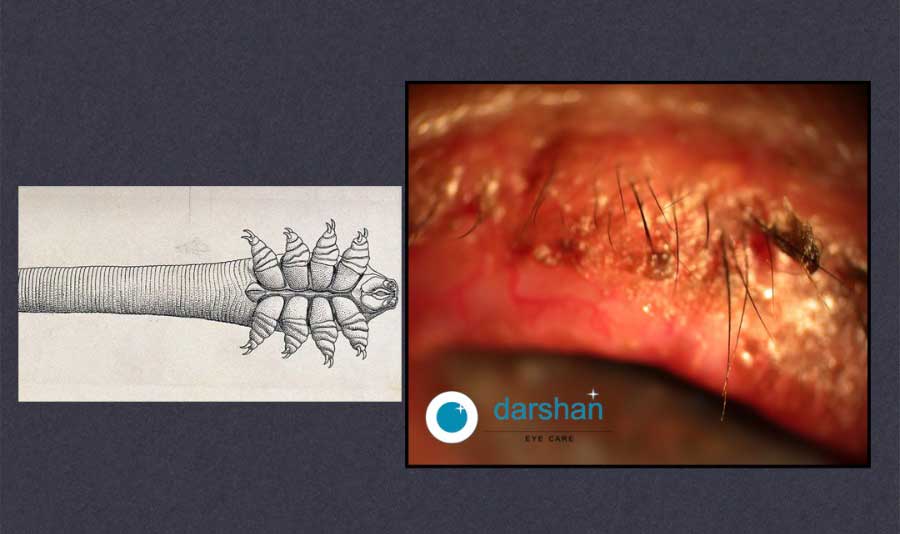
Clinical Challenges Lid Margin Disease- Demodex Folliculitis Mite infestations in the eyelashes of the lid are a common problem seen in children. Demodex occurs due to the overgrowth of the mite in the follicles of eyelashes of the lid skin. Its cause is associated with a variety of factors which include poor hygiene, acne and lid margin disorders. The treatment However is surprisingly simple. Use of lid hygiene techniques combined with tea tree oil based shampoos are very effective in eradicating the disease.
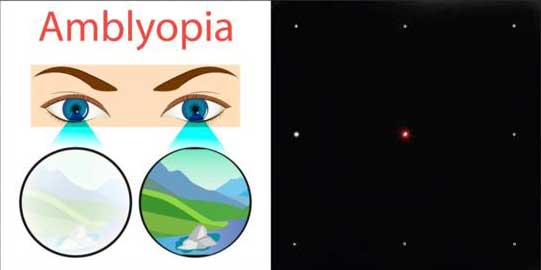
AMBLYOPIA (LAZY EYE)

0 Comments

Clinical Challenges AMBLYOPIA (LAZY EYE) Amblyopia is a visual condition characterised by reduced vision in one eye, despite the absence of any structural abnormalities or eye disease. The brain and the eye fail to work together properly, causing the brain to favour the stronger eye over the weaker one. Because of the lack of a physical problem, the symptoms are hard to discern. Amblyopia when caught early on is easily treatable by means of exercises such as patching or more complex exercise treatments such as orthoptek (which work on the neuronal pathways). Parents may notice an eye misalignment (of the lazy eye). Also, if the child becomes fussy when one eye is covered, this can indicate that they have amblyopia. A simple eye exam can help identify this condition early on.

Contact Lens Induced Corneal Infections

0 Comments

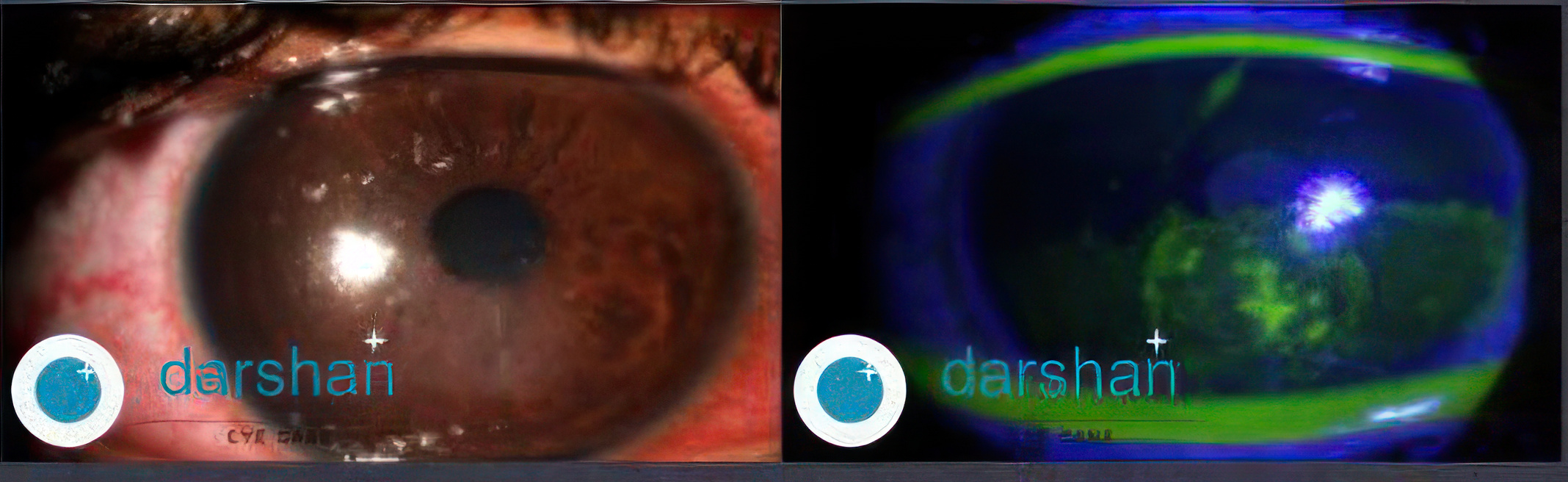
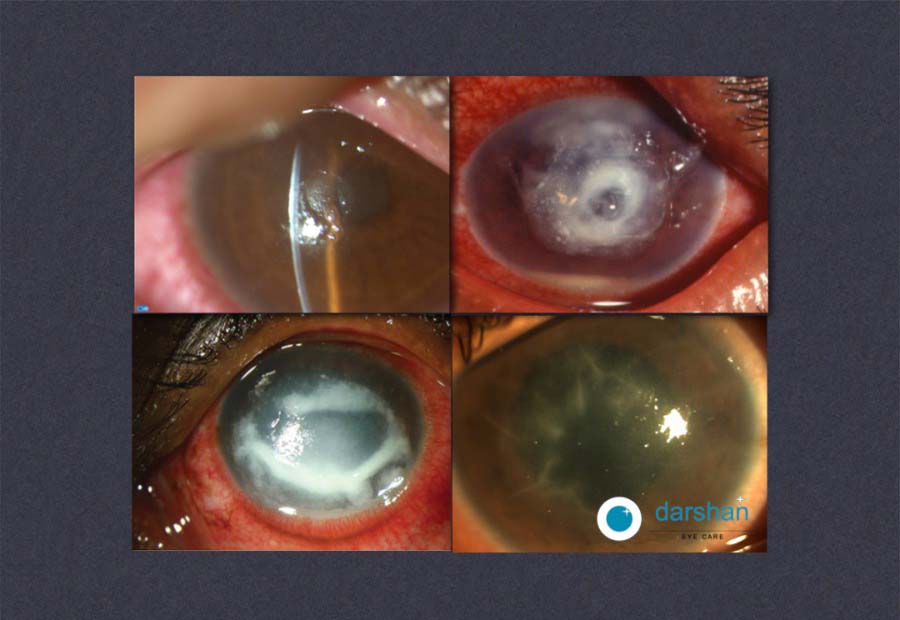
Clinical Challenges Contact Lens Induced Corneal Infections Patients wearing contact lenses are at risk for developing microbial infections of the cornea, referred to as infective keratitis. This condition can be caused by a variety of bacteria, fungi, protozoa (acanthamoeba) and other virulent organisms like pythium insidiosum. Infections result from contamination of the lenses, lens case or solutions used to clean the contact lenses. Good contact lens hygiene is mandatory for patients who use contact lenses regularly. Incase of an infection however, darshan eye care is equipped to deal with exactly this sort of a condition, with access to microbiology and histopathology services, along with a well equipped pharmacy (for fortified medications). Severe/advanced infections may however require surgical management.

Meibomian Gland Dysfunction

0 Comments

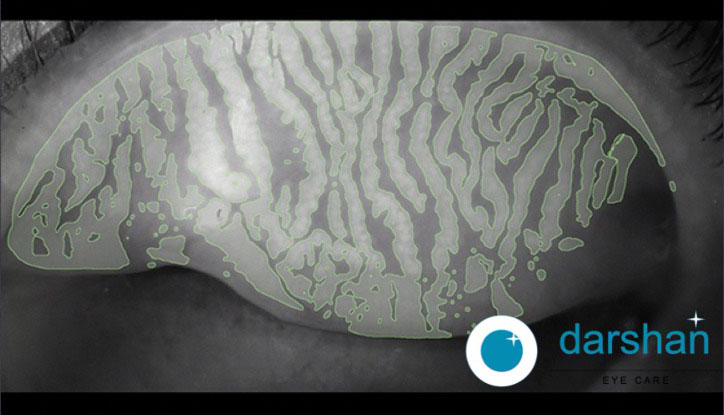
Clinical Challenges Meibomian Gland Dysfunction Meibomian glands are oil secreting glands present in the upper and lower eyelids. They’re job is to secret oils which prevent the aqueous tear film on the ocular surface from evaporating. Non functional/poorly functioning/absent meibomian secretion results in a condition known as meibomian gland dysfunction. It is known to affect almost 65% of the indian population and can be seen across all age groups. Luckily, it is easily treatable, using a combination of medications, warm compresses and oral antioxidants. In severe cases, pulsed regulated light therapy (irpl – available at darshan eye care) may be used to stimulate gland function and reduce dry eye symptoms.

Deep Anterior Lamellar Keratoplasty (DALK)

0 Comments

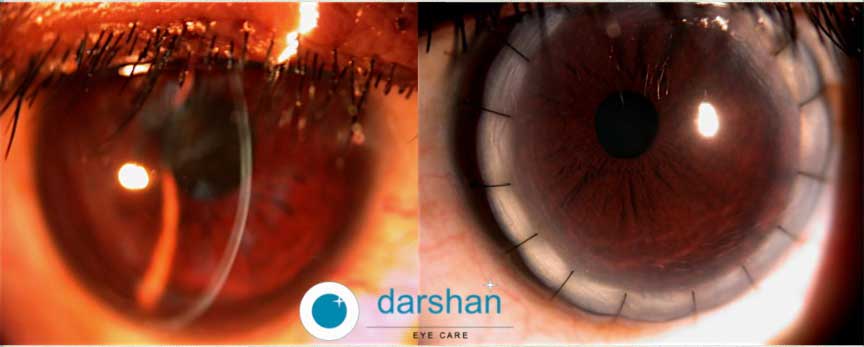
Clinical Challenges Deep Anterior Lamellar Keratoplasty (DALK) DALK is performed in cases of corneal ectasia, corneal scar and at times even in cases of microbial keratitis. It is partial thickness lamellar transplant wherein the host stroma is removed and is replaced with a healthy donor. By retaining the corneal endothelial layer of the host, the risk of a rejection is reduced by almost 60% when compared to a full thickness transplant. It also allows for faster visual recovery and better wound integrity. We at Darshan Eye Care perform this procedure routinely for our patients with keratoconus, corneal scars and other visually debilitating disorders with great success. Our many happy patients are testament to the same.

Recurrent Corneal Erosion Syndrome (Rces)

0 Comments

Clinical Challenges Recurrent Corneal Erosion Syndrome (Rces) Presenting with sudden onset pricking/stabbing pain on awakening early in the morning with redness and watering, recurrent corneal erosions are a common entity amongst the indian population. Insidious trauma to the eye preceding the onset of symptoms is a common etiology. Trauma to the corneal basement membrane can result in loose adhesion of the overlying epithelial surface. Erosion of this unstable surface can occur with rapid lid movement (especially during deep sleep). When identified, it can be easily treated with conservative medical management, bandage contact lenses(bcl), photo therapeutic keratectomy (ptk) or via corneal polishing using a diamond burr followed by bcl application.

Viral Keratitis

0 Comments

Clinical Challenges Viral Keratitis Commonly caused by the herpes simplex virus, herpetic keratitis is a great mimicker and can resemble a host of other corneal conditions, thus making it difficult to diagnose and treatment. Herpetic keratitis can involve all the layers of the cornea either individually or as one single entity. Treatment entails a multi faceted approach and requires long term antiviral therapy along with the judicial use of adjunct topical agents like steroids. Recurrence is a common complication of the disease and hence patients may require routine follow up care for prolonged periods of time. Despite this, it is possible to achieve remission, with a focussed approach towards diagnosis, along with good treatment compliance.

Neurotrophic Keratitis

0 Comments

Clinical Challenges Neurotrophic Keratitis Neurotrophic keratitis is a condition of the cornea which results from lack of sensation. This is a direct result of loss of sensation of the nerve fibres supplying the surface of the cornea. It can be caused by viral infections (herpes), post ent surgery/neurosurgery,trigeminal neuralgia, rheumatoid arthritis etc. The treatment of this condition demands a holistic approach to treatment. Options Include Cyanoacrylate Glue And Bandage Contact Lens Application Amniotic Membrane Transplant Autologous Serum Tears Insulin Eye Drops Punctal Plugs Conjunctival Flap Corneal Neurotization

The Pink Eye Apocalypse -epidemic Keratoconjuctivitis

0 Comments

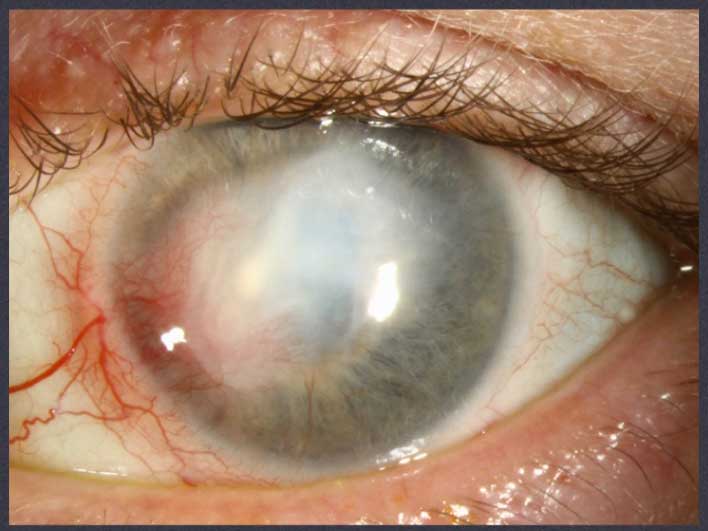
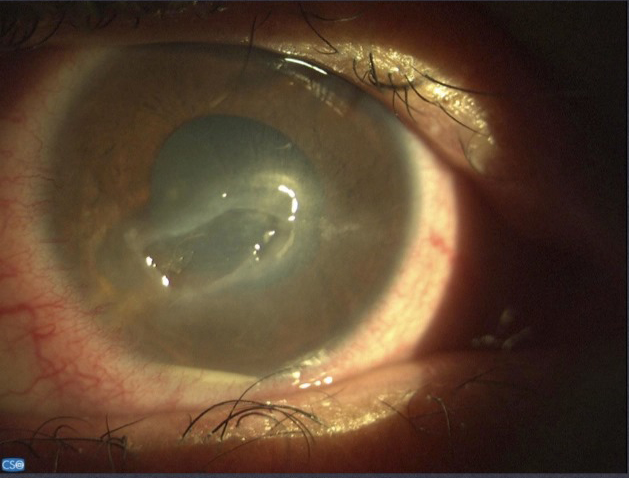
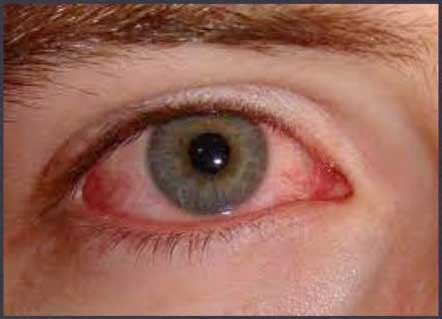
Clinical Challenges The Pink Eye Apocalypse -epidemic Keratoconjuctivitis Corneal infections/ulcers can be caused by a wide variety of bacterial, fungal, protozoal and viral pathogens. early recognition and appropriate management are the cornerstones of corneal ulcer care. careful microbiological work up followed by indicated medical and surgical therapy can help save the eye. disease remission can be achieved through the use of fortified antibiotics, antifungals,antivirals and anti protozoal agents. in case of failure of medical therapy, performing a therapeutic corneal transplant maybe indicated, as a last resort, to save the eye.

Pterygium

0 Comments

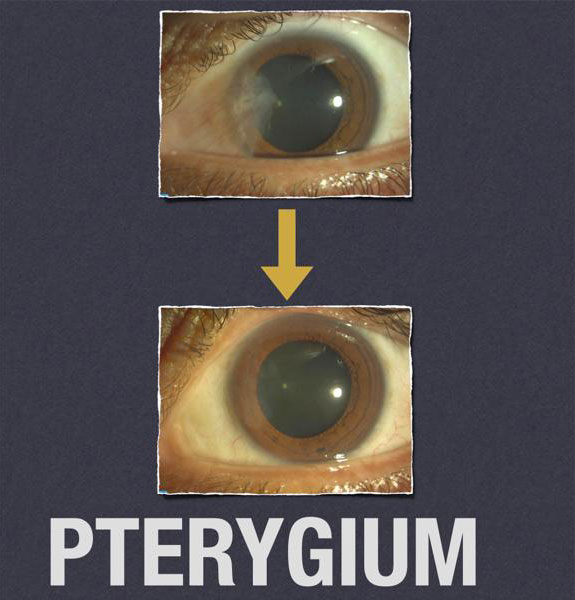
Clinical Challenges PTERYGIUM A pterygium is a slow growing, fleshy growth on the surface of the eye. it’s evolution has been linked to uv, dust exposure and previous ocular surgeries. these growths, though benign, can become recurrently inflamed, causing redness, pain and constant discomfort.surgical treatment is recommended in these cases. it involves a quick and painless procedure to remove the excess tissue growth, and replace the bare area with donor tissue harvested from the patient’s own eye. the procedure is sutureless and requires minimal surface anaesthesia to perform and offers excellent outcomes, both in terms of symptomatic relief and cosmesis.