What’s New in Eye Care: Innovations Shaping the Future of Vision
Eye care is experiencing a revolution driven by technology, innovation, and medical research. From smart lenses and artificial intelligence to gene therapies and minimally invasive surgeries, the latest breakthroughs are transforming how eye diseases are diagnosed, managed, and treated. Understanding what’s new in eye care not only helps clinicians stay informed but also empowers patients to seek advanced solutions for maintaining and restoring vision.
Smart Lenses and Wearable Technology
One of the most exciting innovations in eye care is the development of smart lenses and high-tech eyewear. New generations of photochromic lenses, like Transitions GEN S, adapt to light changes more quickly and come in a wider range of colors, offering both style and function. Meanwhile, smart glasses now integrate real-time translation, weather updates, and hands-free calls, blurring the line between medical devices and consumer technology. Some advanced frames even combine hearing aid functions with vision correction, providing a multi-sensory solution for people with both visual and auditory challenges.
Artificial Intelligence in Diagnosis
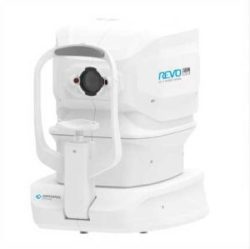
Artificial intelligence (AI) is one of the most transformative forces in modern ophthalmology. With AI-powered retinal imaging, clinicians can now detect early signs of glaucoma, diabetic retinopathy, and macular degeneration before symptoms appear. Cutting-edge research also shows that retinal scans may reveal early signs of neurological diseases such as dementia or Alzheimer’s, making routine eye exams a valuable tool for overall health monitoring. Predictive analytics—sometimes called oculomics—combine genetic, lifestyle, and imaging data to forecast disease progression and tailor treatments to individual patients.
Gene Therapy and Stem Cell Research
Another major development in eye care is the rise of gene therapy and regenerative medicine. Researchers are exploring single-injection gene therapies to restore vision in conditions such as retinitis pigmentosa, age-related macular degeneration (AMD), and inherited retinal diseases. Stem cell therapy is showing promise in repairing or replacing damaged retinal cells, particularly in AMD, where degeneration of retinal pigment epithelium is a leading cause of blindness. These treatments may soon move from clinical trials into mainstream ophthalmology, offering hope for patients with previously untreatable eye conditions.
New Medications and Drug Delivery Systems
Traditional eye drops often face limitations due to poor absorption and patient non-compliance. Now, novel drug delivery systems are changing the game. Suprachoroidal microneedle delivery, for example, enables medications to be delivered directly between the sclera and choroid, dramatically improving effectiveness for diseases such as glaucoma and diabetic retinopathy. Long-lasting implants and sustained-release devices are also being developed to reduce the need for daily eye drops. Recently, the U.S. FDA approved Alcon’s breakthrough dry-eye drug Tryptyr, which stimulates natural tear production and provides fast relief for patients suffering from chronic dry eye disease.
Minimally Invasive and Robotic Surgeries
Surgical innovation is another area where eye care is advancing rapidly. Minimally Invasive Glaucoma Surgery (MIGS) techniques lower intraocular pressure with fewer risks and faster recovery compared to traditional surgeries. Robotic-assisted systems and femtosecond lasers are improving precision in cataract, LASIK, and retinal surgeries, reducing complications and enhancing patient outcomes. The development of bionic eye implants and artificial corneas is also progressing, raising the possibility of restoring functional vision to individuals with severe blindness.
Teleophthalmology and Remote Monitoring
The rise of teleophthalmology is expanding access to eye care globally. Remote consultations, mobile eye exams, and digital imaging allow patients in underserved areas to receive expert guidance without long travel times. Portable devices and virtual reality (VR) headsets are now being used for home-based monitoring of conditions like glaucoma and amblyopia. This shift toward digital eye care not only improves accessibility but also empowers patients to take a more active role in managing their eye health.
Personalized Implants and Extended Reality
Personalized medicine has reached ophthalmology through innovations such as smart intraocular lenses (IOLs) that adapt to lighting conditions and focusing needs. These implants promise sharper vision across multiple environments after cataract surgery. In addition, extended reality (XR) tools are being applied to eye care, helping surgeons with 3D visualization during complex procedures and offering patients immersive rehabilitation programs after surgery or vision loss.
Conclusion
The future of eye care is being shaped by remarkable innovation. From smart eyewear and AI diagnostics to gene therapies, regenerative medicine, and advanced surgeries, these breakthroughs are redefining the way we prevent and treat eye disease. What’s new in eye care is not just about better technology—it’s about creating accessible, personalized, and effective solutions for millions of people worldwide. As these advancements move from research labs into clinics, the promise of preserving and even restoring vision is becoming more achievable than ever before.